Why Badminton Gives You Elbow Pain (and the Fix That Actually Works)
Quick Answer: Badminton elbow pain usually comes from repetitive wrist-snap overload on the forearm extensor tendons, similar to tennis elbow, often worsened by a grip that’s too tight or a racket that’s strung too stiff for your swing. Loosen your grip, check string tension, and add forearm-specific strength work.
It’s not a dramatic injury moment — just a slow, nagging ache that shows up after sessions and lingers into the next day. That pattern points almost exactly at one repetitive stress source, and it’s fixable without giving up the sport.

Why does badminton specifically target the elbow like this?
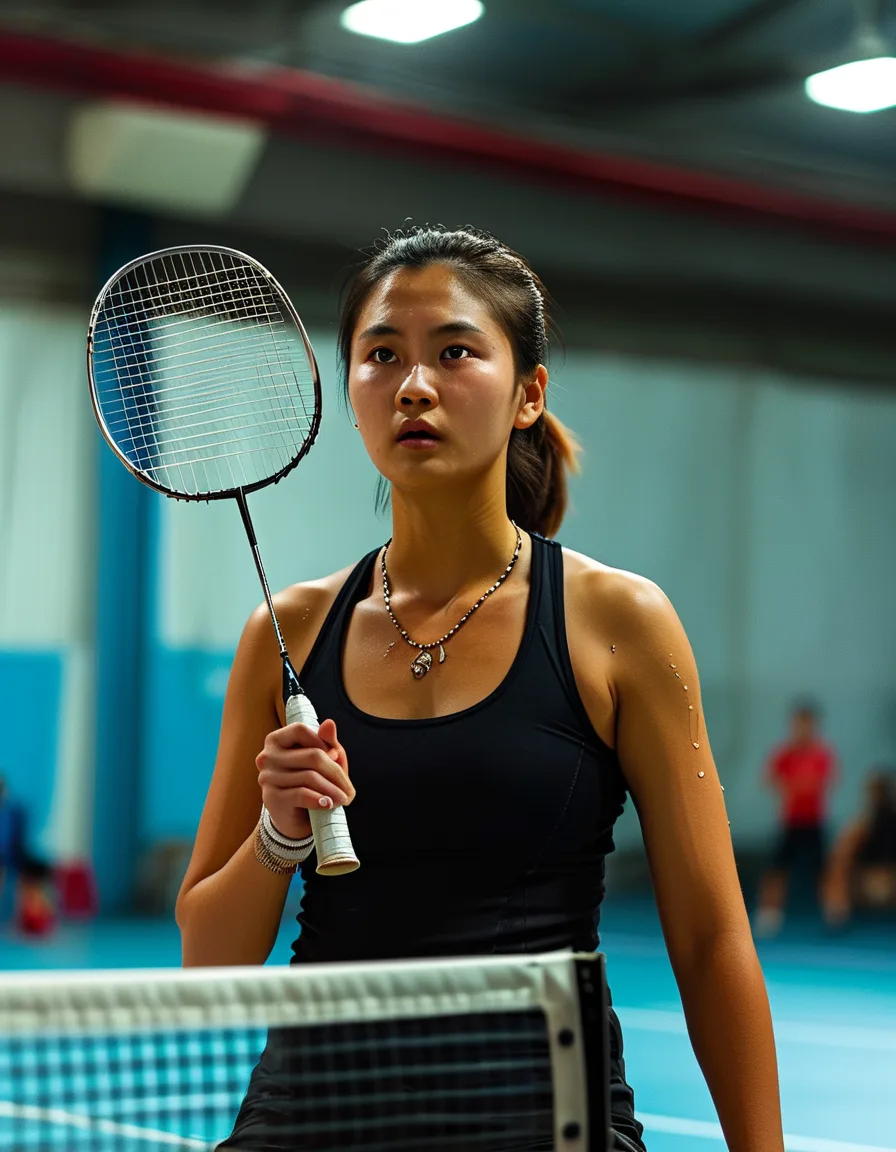
Badminton’s wrist-snap technique, especially on smashes and clears, repeatedly loads the forearm extensor tendons at the outside of the elbow — the same tendons implicated in classic tennis elbow. The rapid, repetitive nature of badminton rallies (dozens of snap-motions per game) makes cumulative overload common.
This is a well-documented racket-sport pattern, not something unique to poor technique alone — though technique and equipment both influence how much load those tendons take.
How much does grip tightness actually matter?
More than most players assume. Gripping the racket too tightly throughout a rally (rather than firming up only at contact) keeps forearm muscles under near-constant tension, compounding fatigue and strain on the same tendons doing the wrist-snap work.
A looser overall grip, tightening only in the split-second of contact, meaningfully reduces the cumulative load across a full match.
Myth vs Fact: Badminton Elbow Pain Edition
Myth: A stiffer-strung racket always improves power without added elbow risk. Fact: Higher string tension transfers more shock to the arm on off-center hits — a slightly lower tension can reduce elbow stress with a small power tradeoff.
Myth: Elbow pain means you need to stop playing entirely. Fact: Mild, early-stage pain often responds well to load reduction (fewer sessions, less power per swing) plus targeted strengthening, without a full stop.
Myth: Wrist braces fix the underlying problem. Fact: Braces can reduce symptom flare during play, but they don’t address grip tension or tendon strength — treat them as a support, not a cure.
What’s an actual fix, beyond just resting?
1. Loosen your resting grip, firm only at contact. 2. Check string tension — many recreational players are strung tighter than their swing actually needs. 3. Add forearm strengthening: wrist curls and reverse wrist curls, light weight, 2-3 sets 2x weekly, build tendon resilience specifically.
For active pain, reducing session frequency or intensity for 1-2 weeks while starting strengthening work is a reasonable, commonly recommended middle ground between pushing through and stopping entirely.
FAQ: Badminton Elbow Questions, Answered
How long does badminton elbow typically take to heal?
Mild cases often improve within 2-4 weeks with load reduction and strengthening; persistent pain beyond that warrants a physical therapist or doctor’s evaluation.
Does racket weight matter for elbow strain?
Yes — a heavier racket or one with a heavier head increases the torque your forearm manages on each swing; lighter, head-light rackets can reduce cumulative strain.
Should I ice or heat the elbow after playing?
Ice after acute soreness following a session is a commonly recommended first step; this is general information, not medical advice — persistent pain should be evaluated by a professional.
TL;DR:
- Badminton elbow pain usually comes from repetitive wrist-snap load on forearm extensor tendons
- A too-tight resting grip and overly stiff string tension both increase cumulative strain
- Loosen your grip except at contact, and check whether your string tension is higher than needed
- Add forearm strengthening (wrist curls, 2-3 sets 2x weekly) alongside any load reduction
This is general information, not medical advice — persistent elbow pain deserves a professional evaluation.
Keep Reading
This article is for general informational and styling purposes only. Fit, sizing, and product availability may vary.