Why Your Shuttlecock Choice Matters More Than Your Racket (At First)
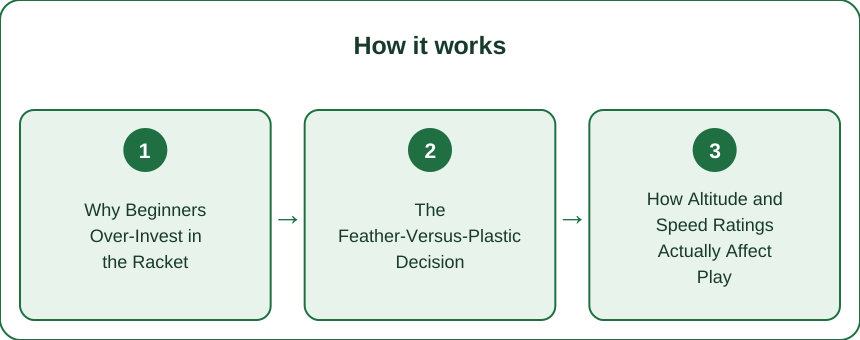
New badminton players tend to research rackets extensively and grab whatever shuttlecock is on the shelf, which is backwards for the first several months of play — the shuttle affects every single shot, while a racket upgrade mostly matters once technique catches up. Here is why the shuttle deserves the early attention, the feather-versus-plastic decision, and how speed and altitude ratings actually change play.


Why Beginners Over-Invest in the Racket
The misplaced priority: the the-racket-matters-less-early (the racket’s weight and flex differences mattering far more once swing technique is consistent, which beginners haven’t developed yet — the technique-not-equipment-limits-beginners), the the-shuttle-touches-every-shot (the shuttlecock quality and type affecting literally every single shot’s flight, unlike a racket’s more marginal per-shot influence — the shuttle-is-the-constant-variable), the the-cheap-shuttles-fly-inconsistently (the low-quality shuttles wobbling or flying unpredictably, teaching bad timing habits before technique is even established — the bad-shuttle-teaches-bad-habits), the the-racket-marketing-is-louder (the racket marketing dominating badminton retail messaging, skewing where beginners naturally look first — the marketing-volume-not-actual-priority), the the-cost-mismatch (the a good shuttlecock supply costing far less than a racket upgrade for a bigger early-stage improvement — the better-return-on-the-cheaper-item), and the reframe (the early priority as getting shuttle choice right first, since it is the more consistent variable across every single shot a beginner hits).
The Feather-Versus-Plastic Decision
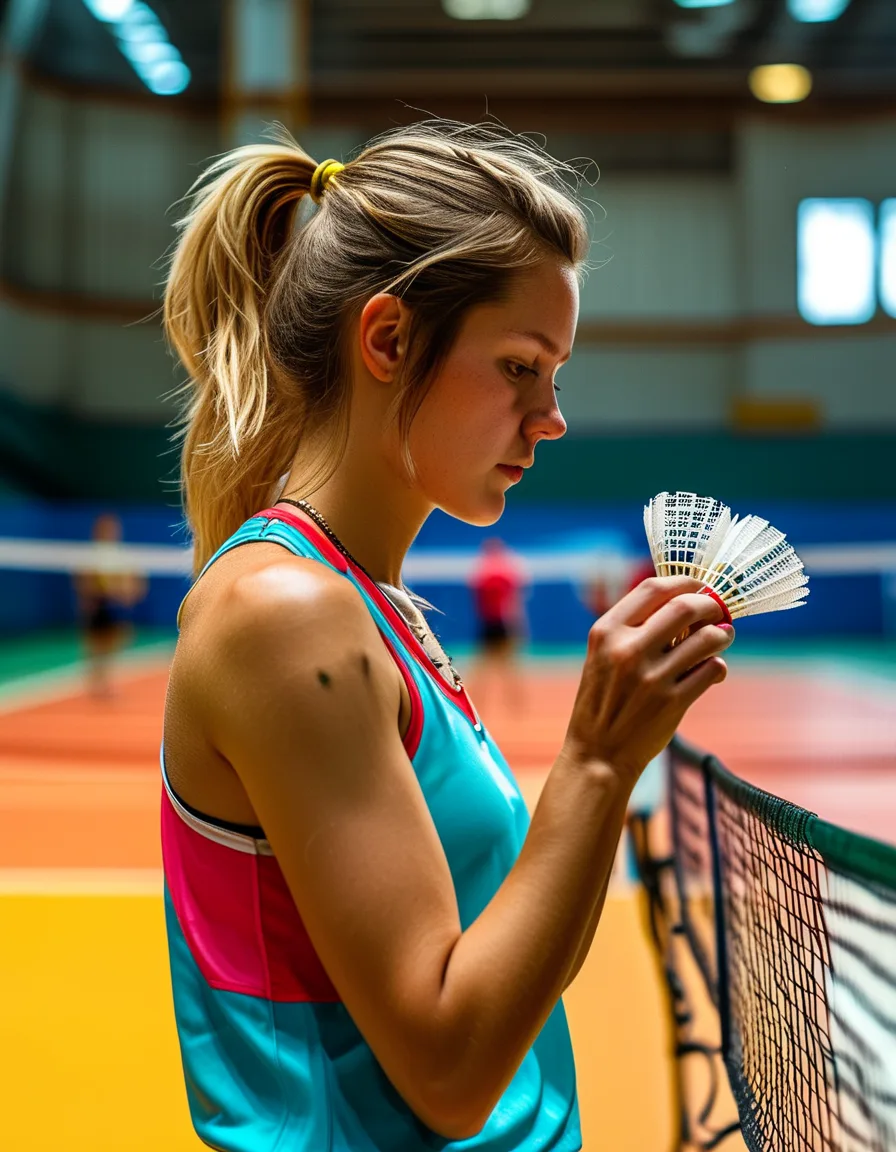
The real tradeoffs: the feather-shuttles-fly-more-true (the natural feather shuttlecocks offering more consistent, predictable flight favored in competitive and serious play — the feather-is-the-serious-choice), the the-feather-durability-tradeoff (the feather shuttles being more fragile and shorter-lived, especially for beginners still mishitting frequently — the fragile-and-pricier-per-unit), the the-plastic-shuttles-are-durable (the synthetic shuttles withstanding mishits and rough play far better, ideal for early learning — the plastic-survives-the-learning-curve), the the-plastic-flies-slightly-differently (the plastic shuttles behaving with a marginally different flight and sound, which some players adjust to and others don’t love — the flight-difference-is-noticeable-but-learnable), the the-mixed-approach-works (the practicing with plastic and reserving feather shuttles for matches or drills needing precision, common among improving players — the use-both-strategically), and the frame (the decision as durability-favoring plastic for early learning versus flight-favoring feather for serious precision work — most improving players eventually use both, strategically).
How Altitude and Speed Ratings Actually Affect Play
What the numbers mean: the the-speed-rating-explained (the shuttlecock speed ratings, often numbered, corresponding to how fast the shuttle travels for a given hit, calibrated partly for temperature and altitude — the the-number-isn’t-arbitrary), the the-altitude-adjustment (the thinner air at higher altitude requiring a slower-rated shuttle to fly comparably to sea level — the altitude-changes-the-right-choice), the the-temperature-affects-flight-too (the cold air also slowing shuttle flight, sometimes requiring a faster rating in cold indoor courts — the temperature-not-just-altitude-matters), the the-wrong-speed-feels-like-bad-technique (the a mismatched shuttle speed making shots consistently fly too far or fall too short, which beginners often misattribute to their own swing — the wrong-shuttle-can-mimic-a-technique-problem), the the-ask-the-venue-or-club (the local clubs and venues typically already knowing the right speed rating for their specific court conditions — the don’t-guess-ask-the-regulars), and the frame (the ratings as a practical calibration for altitude and temperature, not a marketing number — using the wrong one can make a beginner blame their swing for what is actually a mismatched shuttle).
New badminton players typically over-research rackets and under-think shuttlecocks, but the shuttle affects every single shot’s flight while racket differences matter more once technique is already consistent, which takes months to develop. Plastic shuttles offer far better durability for the mishit-heavy learning phase, while feather shuttles fly more true and predictably for serious or competitive precision work — many improving players eventually use both strategically. Speed and altitude ratings aren’t marketing numbers; they calibrate for real differences in air density and temperature, and a mismatched shuttle can make shots consistently overshoot or fall short in a way that beginners often misattribute to their own swing. Get shuttle choice right first — the racket upgrade can wait.
Keep Reading
This article is for general informational and styling purposes only. Fit, sizing, and product availability may vary.